
- All
- Product Name
- Product Keyword
- Product Model
- Product Summary
- Product Description
- Multi Field Search
English
Views: 217 Author: Young Mei Publish Time: 09-05-2026 Origin: Site


Content Menu
● Quick Answer: Which Nail System Is Most Damaging?
● Acrylic Nails: Strong Structure, Higher Preparation Demands
>> Why Acrylic Nails Can Damage Natural Nails
>> Who Should Be Careful With Acrylic Nails?
● Gel Nails: Flexible Finish With Important Curing Rules
>> Why Gel Nails Can Cause Brittleness or Sensitivity
>> UV and LED Nail Lamps: What Users Should Know
● Dip Powder Nails: Durable Color With Removal and Hygiene Considerations
>> Where Dip Powder Damage Can Occur
>> Is Dip Powder Better Than Acrylic?
● The Real Cause of Nail Damage: Application and Removal
● How to Reduce Damage With Any Nail Enhancement
>> During Wear
● A Lower-Impact Alternative: Modern Press-On Nails
● Which Option Should You Choose?
● FAQ
>> Are acrylic nails more damaging than gel nails?
>> Do gel nails permanently damage natural nails?
>> Is dip powder safer than acrylic?
>> What is the least damaging artificial nail option?
>> Can I wear press-on nails if my natural nails are weak?
>> How often should I take a break from acrylic, gel, or dip powder nails?
>> Can nail stickers damage natural nails?
>> What should brands look for in a press-on nail manufacturer?
Acrylic, gel, and dip powder nails can all be worn safely when they are correctly applied, maintained, and removed. In practice, the greatest source of nail damage is usually not one enhancement category alone—it is aggressive preparation, over-filing, prolonged wear on lifted product, poor hygiene, or forceful removal.
For brands, salons, wholesalers, and consumers, the better question is not simply "Which manicure is most damaging?" It is: Which system best matches the wearer's nail condition, lifestyle, application skill, removal method, and product quality requirements?
At Dongguan YoungMei Technology Co., Ltd., we have more than 15 years of manufacturing experience in press-on nails, nail stickers, and related nail products. From a product-development perspective, healthy-looking results depend on a complete system: responsible material selection, stable production controls, clear usage instructions, and an application method that does not unnecessarily stress the natural nail.
This guide compares acrylic vs. gel vs. dip powder nails in detail, including durability, removal, allergy considerations, nail-bed stress, user suitability, and lower-impact alternatives such as reusable press-on nails.
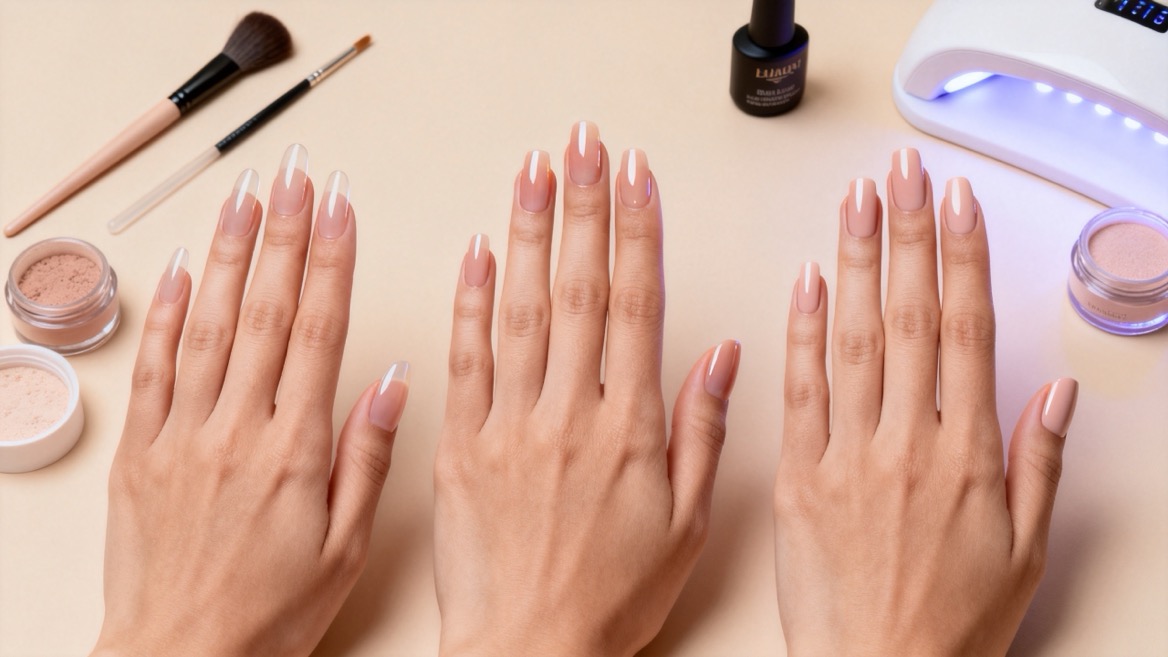
There is no universal winner because nail damage depends heavily on technique.
However, when application and removal are poorly managed, acrylic nails often create the highest mechanical stress because they commonly require stronger surface preparation, frequent fills, filing, and more demanding removal. Gel systems can also weaken nails when peeled off, over-filed, or repeatedly exposed to uncured product. Dip powder can look gentler at first, but it may still involve adhesive chemistry, filing, acetone removal, and sanitation risks if salon procedures are not controlled.
| Nail option | Main wear method | Common damage pathway | Relative risk when poorly used | Best fit |
|---|---|---|---|---|
| Acrylic nails | Liquid-and-powder enhancement | Excessive filing, lifting, hard removal, chemical sensitivity | High | Length, sculpted structure, dramatic shapes |
| Gel nails | UV/LED-cured gel layers | Peeling, over-filing, under-curing, repeated light exposure | Moderate to high | Glossy, flexible, long-wear manicures |
| Dip powder nails | Resin/adhesive and colored powder | Filing, acetone soaking, adhesive sensitivity, hygiene gaps | Moderate | Durable color and medium-strength overlay |
| Press-on nails | Pre-made artificial nail attached with tabs or glue | Incorrect sizing, forceful removal, prolonged wear after lifting | Low to moderate | Fast, reusable, design-led manicures |
The least damaging choice is usually the one that can be applied with minimal buffing and removed without prying. This is why well-designed press-on nails and nail stickers can be attractive options for consumers who want beauty flexibility without committing to repeated salon-style enhancement cycles.
Acrylic nails are made by combining a liquid monomer with a powder polymer. The mixture hardens into a durable enhancement that can be applied over the natural nail, used to extend length, or sculpted into shapes such as almond, coffin, square, and stiletto.
Acrylic remains popular because it is strong, versatile, and suitable for clients who want noticeable length or a more structured nail shape. It is also widely used in professional salons because skilled technicians can refill the regrowth area instead of fully replacing the enhancement each time.
The acrylic material itself is not automatically harmful. Problems often begin during preparation, maintenance, or removal.
Common acrylic-related damage factors include:
- Over-buffing before application, which can thin the natural nail plate
- Aggressive electric-file use, especially around the cuticle and sidewalls
- Lifting left untreated, which may trap moisture and debris underneath the enhancement
- Pulling or prying acrylic off, which can remove layers of natural nail
- Repeated exposure to sensitizing ingredients, particularly when product contacts skin
- Low-quality or unsuitable monomers, which may increase odor, irritation, or performance problems
Some consumers assume that acrylic nails "stop nails from breathing." Nails do not breathe in the way skin and lungs do. The real concern is that a covered nail can conceal early signs of damage, infection, discoloration, or lifting. If an enhancement remains attached while moisture enters underneath, the nail environment can become more difficult to monitor.
Acrylic may not be the best first choice for people with:
- Thin, peeling, splitting, or recently damaged nails
- A history of contact dermatitis or reactions to nail products
- Frequent handwashing, chemical exposure, or water-based work
- Habitual nail picking or biting
- Existing redness, pain, swelling, or nail lifting
- A need for short-term, low-commitment manicures
For these users, a reusable press-on nail set may offer a more flexible route. It allows the wearer to achieve length, color, and decorative effects without building a rigid enhancement directly on the nail plate.
"Gel nails" is a broad term. It may refer to gel polish, builder gel, hard gel, soft gel extensions, or gel tips. Most gel systems use light to cure liquid ingredients into a durable coating.
Gel manicures are valued for their high shine, chip resistance, and smoother feel compared with conventional polish. Soft gel polish is often chosen for natural-looking manicures, while builder gel and gel extensions offer more reinforcement and length.
Gel manicures can contribute to brittle, peeling, or cracked nails when removal involves scraping, picking, or excessive filing. Repeated cycles without rest or proper care may make pre-existing weakness more visible.
The more significant product-safety concern is skin exposure to uncured gel. When gel remains uncured because of an incompatible lamp, overly thick layers, expired materials, inaccurate application, or incorrect curing time, reactive ingredients may remain on the nail or surrounding skin. Repeated contact can increase the risk of developing an allergy.
Warning signs may include:
- Itching around the cuticles or fingertips
- Redness, swelling, or small blisters
- Burning during or after curing
- Nail lifting from the nail bed
- Dry, irritated skin around the hands, face, or eyelids
A reaction should not be ignored. Consumers should stop using the suspected product and seek advice from a qualified healthcare professional or dermatologist, particularly if symptoms are severe, persistent, or recurring.
UV and LED lamps both emit ultraviolet radiation, although they operate differently and cure different formulations at different speeds. The practical concern is not to avoid all gel manicures automatically, but to reduce unnecessary exposure and follow product-specific curing requirements.
A responsible gel routine includes:
1. Use a lamp that is compatible with the specific gel formula.
2. Apply thin, even coats rather than thick layers.
3. Keep uncured gel off the skin and cuticles.
4. Follow the stated cure time exactly.
5. Do not mix products, lamps, and systems without compatibility confirmation.
6. Consider broad-spectrum sunscreen on the backs of the hands or UV-protective manicure gloves with fingertips exposed.
7. Remove gel by soaking or professional removal rather than peeling it away.
From a manufacturing viewpoint, clear compatibility instructions are essential. Brands should not treat the lamp as an accessory afterthought. Curing performance is part of product safety, durability, and customer satisfaction.
Dip powder nails are generally created by applying a resin or adhesive base, dipping the nail into colored powder, and activating or sealing the layers. The finished manicure can be durable and may feel lighter than a thick acrylic enhancement.
Consumers often choose dip powder because it provides longer wear than regular polish and does not always require a curing lamp. However, "no lamp" does not automatically mean "no nail risk."
Dip powder manicures may still require nail preparation, shaping, topcoat finishing, and acetone-based removal. The removal process can be dehydrating, especially if the nails are soaked repeatedly or if product is scraped away too aggressively.
Potential concerns include:
- Natural nail thinning caused by heavy prep filing
- Dryness and brittleness after repeated acetone exposure
- Skin sensitivity to resins, adhesives, activators, or acrylate-based ingredients
- Cross-contamination risks if a salon repeatedly dips multiple clients into the same powder jar
- Damage from picking, especially when the coating begins lifting at the edges
A more hygienic salon workflow may involve pouring powder into a separate disposable container for each client, using an individual scoop, or applying powder through controlled methods that avoid returning used material to the main container.
Dip powder is not automatically healthier than acrylic. Both categories can involve related polymer or acrylate chemistry, and both can damage the natural nail if the technician over-files, uses unsuitable products, or removes the enhancement by force.
The difference often comes down to the service protocol:
- Acrylic is usually better for substantial length and structural shaping.
- Dip powder is often selected for durable color and moderate reinforcement.
- Gel may feel more flexible and natural-looking for many users.
- Press-on nails can be a lower-commitment option for short-term design changes.
In professional product development, one lesson remains consistent: the removal method often matters as much as the manicure method.
A perfectly formulated product can still create a poor user experience if it is paired with unclear instructions, incompatible accessories, or an overly aggressive removal process.
Avoid these common mistakes, regardless of whether you wear acrylic, gel, or dip powder:
- Peeling off lifted product
- Biting or tearing extensions
- Filing the natural nail until it feels thin or painful
- Applying product over irritated, broken, infected, or visibly damaged skin
- Using a lamp that does not match the gel system
- Wearing enhancements for too long after major lifting occurs
- Using adhesive or liquid products directly on the skin
- Ignoring itching, burning, swelling, or unusual color changes
- Sharing tools without cleaning and disinfection
- Treating a cosmetic enhancement as a solution for underlying nail disease
A weak, rough, or peeling nail after removal is often the result of layers of natural nail being pulled away with the coating—not proof that every artificial nail product is inherently damaging.
Whether you are a salon professional, private-label brand, retailer, or end user, the following routine can protect both the nail plate and the customer experience.
- Inspect nails for cuts, redness, lifting, discoloration, or signs of infection.
- Choose the correct nail size rather than forcing an oversized tip onto the sidewalls.
- Use minimal surface preparation. Lightly remove shine only when required by the system.
- Keep product away from the cuticle and skin.
- Use reliable materials with complete ingredient and application information.
- Perform patch-testing policies carefully where appropriate, but understand that a negative patch test does not guarantee that an allergy will never develop.
- Keep nails dry after washing and dry thoroughly beneath the free edge.
- Wear gloves for cleaning, dishwashing, gardening, and harsh chemical exposure.
- Do not use nails as tools to open packages, scrape labels, or lift hard surfaces.
- Arrange maintenance or removal when lifting becomes noticeable.
- Apply cuticle oil regularly to support flexibility in the surrounding skin and nail area.
- Follow the product's intended removal protocol.
- Shorten the enhancement first if it is long.
- File only the top layer when recommended, not deeply into the natural nail.
- Allow adequate soaking time rather than forcing material off.
- Gently push softened product away with an appropriate tool.
- Stop if removal becomes painful or if the nail plate appears damaged.
- Condition nails and cuticles afterward with moisturizer and oil.
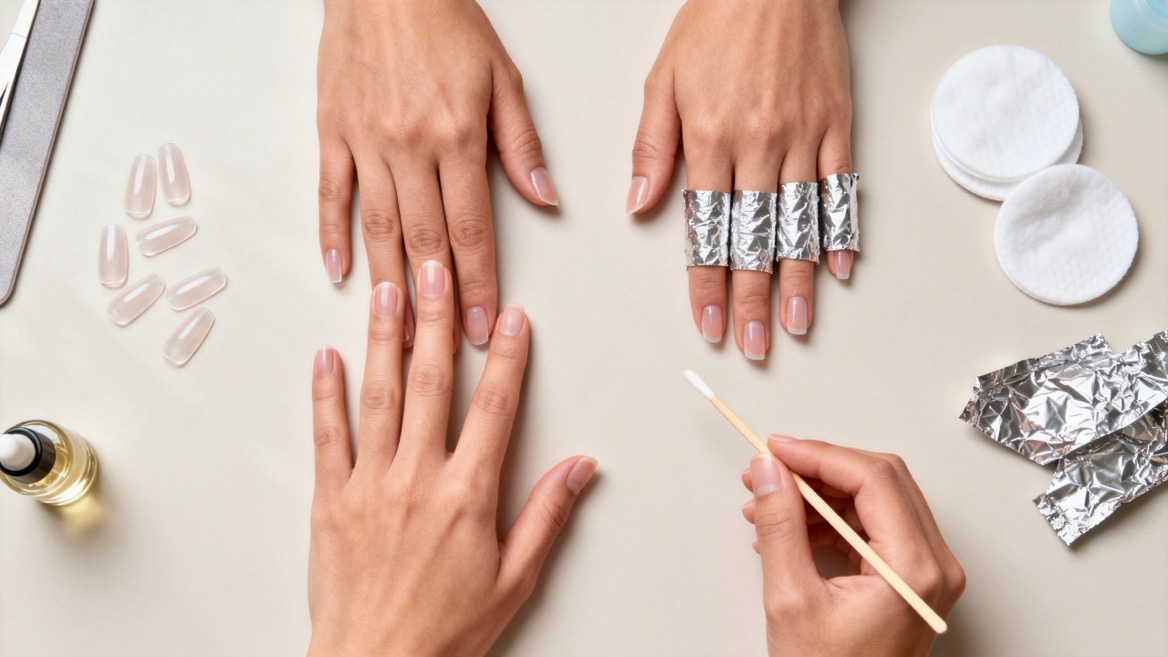
High-quality press-on nails have evolved far beyond temporary novelty products. For consumers seeking salon-inspired color, length, seasonal designs, or special-event nails, press-ons can reduce the need for repeated chemical overlays directly on the natural nail.
For retailers and global beauty brands, the category also offers strong customization potential:
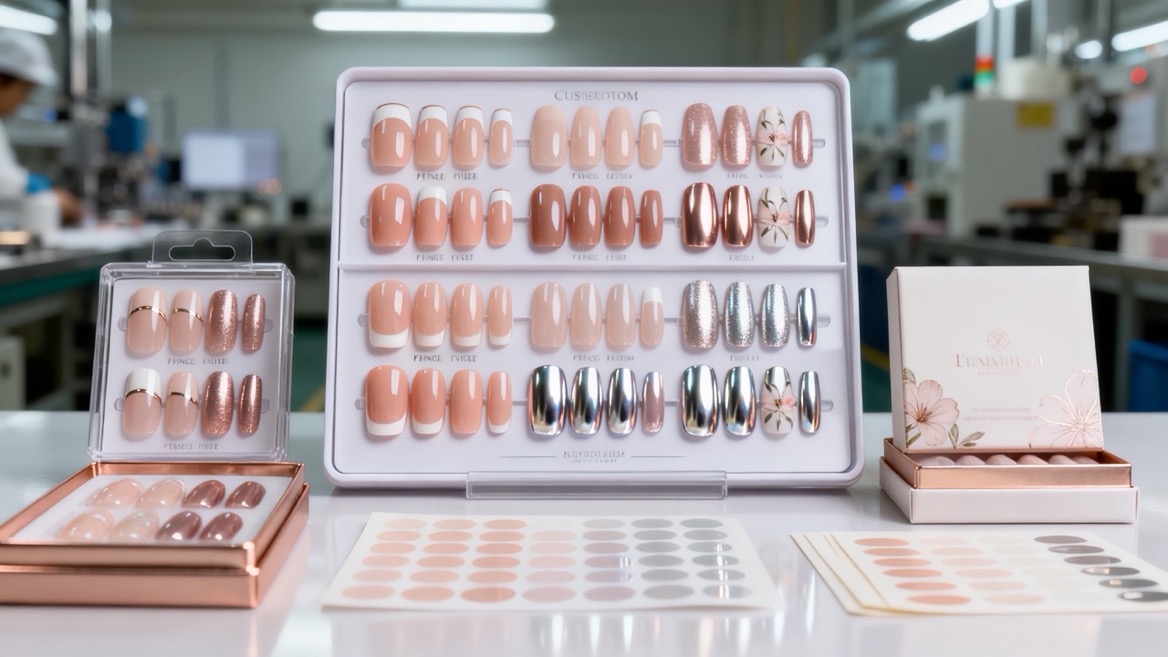
- Custom shapes, lengths, finishes, and artwork
- Private-label packaging and branded insert cards
- Reusable nail sets for value-focused customers
- Flexible adhesive-tab options for short-term wear
- Nail glue options for longer wear
- Curated collections for retail, subscription boxes, influencers, and promotions
- Faster product launches compared with many traditional salon-service models
At Dongguan YoungMei Technology Co., Ltd., we support OEM/ODM press-on nail development, nail sticker sourcing, rapid sampling, and one-stop procurement for global brands, wholesalers, and chain retailers. A strong press-on program should combine visual appeal with practical details: size inclusivity, stable color application, smooth edges, adhesive guidance, removal instructions, and packaging that protects product quality during transport.
| Your priority | Recommended direction | Why |
|---|---|---|
| Maximum length and sculpted structure | Acrylic nails | Strong architecture for extensions and bold shapes |
| Glossy, flexible, polished finish | Gel nails | Smooth appearance and versatile service options |
| Long-lasting color without lamp curing | Dip powder nails | Durable overlay when applied and removed carefully |
| Easy style changes and short-term wear | Press-on nails with adhesive tabs | Minimal commitment and gentler removal potential |
| Reusable beauty product for retail | Premium press-on nail sets | Repeat use, design variety, and private-label potential |
| Sensitive or weakened nails | Pause enhancements and seek professional guidance if symptoms persist | Avoid covering an unresolved nail or skin issue |
The best choice is the one that fits the user's nail health, wear habits, and ability to follow correct removal instructions. No enhancement should be painful to apply, painful to cure, or difficult to remove without force.
Acrylic, gel, and dip powder nails all have strengths. Acrylic provides structure, gel offers shine and flexibility, and dip powder delivers durable color. Yet every system can lead to nail damage when the natural nail is over-filed, product touches the skin, lifting is ignored, hygiene is poor, or removal becomes aggressive.
For beauty brands and retailers, the opportunity is to go beyond attractive colors and packaging. Provide dependable materials, transparent usage guidance, thoughtful sizing, safe removal education, and product formats that respect the customer's changing lifestyle.
Looking for a reliable press-on nail manufacturer for your next collection? Dongguan YoungMei Technology Co., Ltd. offers OEM/ODM development, rapid sampling, stable factory production, customized packaging, and integrated sourcing support for global nail brands, wholesalers, and retail chains. Contact our team to discuss your target market, product concept, order requirements, and customization needs.
Acrylic nails can create more mechanical stress when they involve heavy filing, long extensions, lifting, or forceful removal. Gel nails can also cause significant damage if they are peeled off, over-filed, or improperly cured. The application and removal process matters more than the category name alone.
Gel nails do not necessarily cause permanent damage. However, repeated peeling, scraping, over-buffing, or allergic reactions can weaken the nail plate and surrounding skin. Stop using gel products and seek professional advice if you experience persistent itching, swelling, pain, or nail lifting.
Dip powder is not automatically safer. It can still involve adhesive ingredients, nail filing, acetone removal, and potential sensitivity. Its effect on natural nails depends on product quality, hygiene practices, application technique, and removal habits.
For many people, a correctly fitted press-on nail applied with adhesive tabs for short-term wear may be a lower-impact option because it can avoid intensive filing and lengthy chemical soaking. However, users should still avoid forcing the nails off and should remove them gently.
Press-on nails may be suitable for some people with weak nails when they are properly sized, applied gently, and removed without pulling. If nails are painful, lifting, discolored, infected, or showing signs of dermatitis, avoid cosmetic coverage and consult a qualified medical professional.
There is no single schedule that fits everyone. A break can be useful when nails become thin, rough, peeling, painful, or sensitive. The key is to assess nail condition regularly and avoid immediately reapplying enhancements over compromised nails.
Nail stickers are generally low-impact when applied to clean, dry nails and removed according to the product instructions. Damage can still occur if users scrape aggressively, apply over damaged nails, or use strong adhesives without proper removal.
Brands should assess factory experience, sampling speed, quality-control processes, material consistency, customization capacity, packaging options, communication efficiency, and the manufacturer's ability to provide clear application and removal guidance for the target market.
1. [U.S. Food and Drug Administration — Nail Care Products]
2. [American Academy of Dermatology — Gel Manicures: Tips for Healthy Nails]
3. [American Academy of Dermatology — Dip Powder Manicure: 5 Tips to Keep Your Nails Healthy]
4. [Cleveland Clinic — Are Acrylic Nails Bad for Your Nails and Skin?]
5. [DermNet — Nail Cosmetics Allergy]
7. [American Academy of Dermatology — Manicures and Pedicures]